
- Home
- Premium Memberships
- Lottery Results
- Forums
- Predictions
- Lottery Post Videos
- News
- Search Drawings
- Search Lottery Post
- Lottery Systems
- Lottery Charts
- Lottery Wheels
- Worldwide Jackpots
- Quick Picks
- On This Day in History
- Blogs
- Online Games
- Premium Features
- Contact Us
- Whitelist Lottery Post
- Rules
- Lottery Book Store
- Lottery Post Gift Shop


The time is now 3:44 pm
You last visited
June 4, 2026, 2:40 pm
All times shown are
Eastern Time (GMT-5:00)

Solar Eclipse August 21, 2017Prev TopicNext Topic
-
Solar Eclipse August 21, 2017


.
Method 1: 8-7-0
Method 2: 0-2-2
Method 3: 5-9-6
Method 4: 9-9-5
Method 5: 2-9-9
Method 6: 3-9-7Method 1: 9-2-8-8
Method 2: 4-0-3-6
Method 3: 8-2-5-8
Method 4: 3-5-0-0
Method 5: 5-9-0-0
Method 6: 7-4-9-0 
.
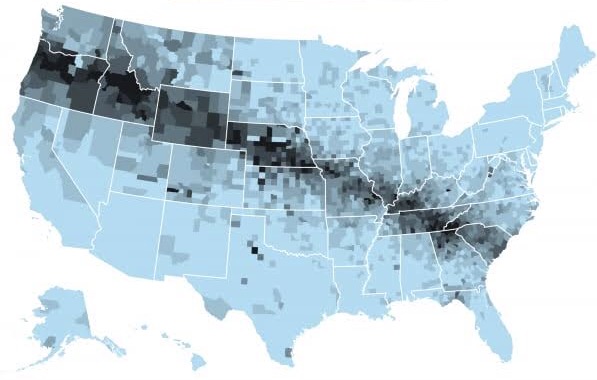
Here’s where the eclipse will go, and when.
The moon will begin to get in the sun’s way over the Pacific Ocean on Monday morning. This will create a zone that scientists call totality — the line where the moon completely blocks the sun, plunging the sea and then a strip of land across the continental United States into a darkness that people and other living things can mistake for premature evening.
Photo

Credit The New York Times
Because of planetary geometry, the total eclipse can last less than one minute in some places, and as long as two minutes and 41 seconds in others. The eclipse’s longest point of duration is near a small town called Makanda, Ill., population 600.
.
Around 1:15 p.m. Eastern time, the total solar eclipse will first reach Oregon’s coast. Then it will race for the next 90 or so minutes over 13 more states: Idaho, Montana (barely), Wyoming, Nebraska, Kansas, Iowa (hardly), Missouri, Illinois, Kentucky, Tennessee, Georgia, North Carolina and finally South Carolina.
.
At about 2:49 p.m. Eastern time in South Carolina, some lucky souls in the Palmetto State’s marshes could be the last on American soil to experience the total eclipse. Just after 4 p.m. Eastern, the partial eclipse will end and all of America will again be under the full August sun.
https://www.nytimes.com/2017/08/21/science/solar-eclipse.html?mcubz=1
.

.
.
.

-
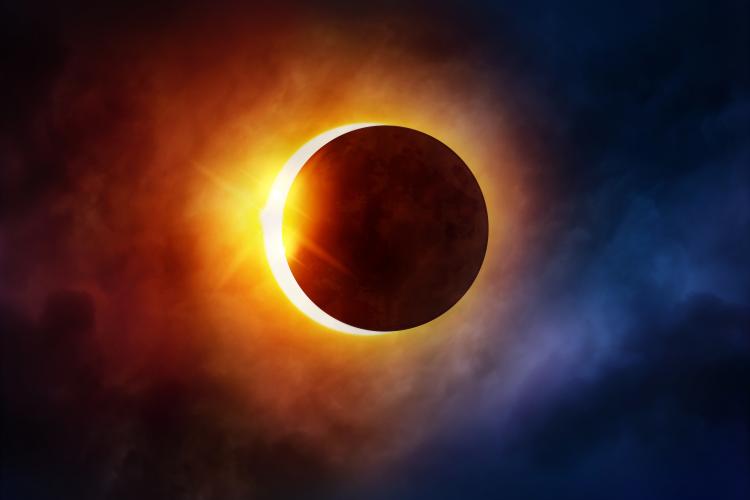
Very nice Moon, although with overcast skies & rain today in Las Vegas; although not likely visible but the numbers can still happen.
Good Luck & God Bless
Pros-player Advocate
Eddessa_Knight with Lucky Light
-
Thanks, Eddessa_Knight!
Solar Eclipse Sunglasses NASA Certified
Method 1: 9-5-7
Method 2: 1-5-7
Method 3: 4-5-2
Method 4: 0-7-2
Method 5: 0-5-0
Method 6: 3-2-9Method 1: 7-1-0-8
Method 2: 5-9-5-7
Method 3: 7-2-2-1
Method 4: 3-2-9-2
Method 5: 6-2-5-6
Method 6: 9-6-8-2
-
Tue, Aug 22, 2017 Georgia Cash 3 Night 9-7-3 Tue, Aug 22, 2017 Idaho Pick 3 Night 7-9-3, Sum It Up: 19 Tue, Aug 22, 2017 Multi-State Tri-State Pick 3 Evening 9-6-5 Mon, Aug 21, 2017 Ohio Pick 3 Midday 2-2-0 .

Tue, Aug 22, 2017 Wisconsin Pick 4 8-8-9-2 Mon, Aug 21, 2017 New Jersey Pick 4 Evening 9-0-0-5, Fireball: 0 If you played and WON, CONGRATS!

-
Wed, Aug 23, 2017 Arkansas Cash 3 Midday 0-2-7 Tue, Aug 22, 2017 North Carolina Pick 3 Daytime 5-7-1, Sum It Up: 13 Tue, Aug 22, 2017 Ohio Pick 3 Evening 5-0-0 Tue, Aug 22, 2017 Puerto Rico Pega 3 Noche 9-3-2 Mon, Aug 21, 2017 Georgia Cash 3 Midday 7-0-2 Mon, Aug 21, 2017 Idaho Pick 3 Night 0-5-0, Sum It Up: 5 Mon, Aug 21, 2017 Kentucky Pick 3 Evening 2-5-4 Mon, Aug 21, 2017 Maryland Pick 3 Midday 5-4-2 Mon, Aug 21, 2017 New Jersey Pick 3 Evening 2-9-3, Fireball: 0 .
The sunglasses numbers look like a HOT set to
play and could come to your state ... SOON!
Mon, Aug 21, 2017 Texas Daily 4 Night 8-7-1-0,Sum It Up: 16 If you played and WON, CONGRATS!


