

eddessaknight's Blog

People Are Sharing Things The U.S. Has That Europe Lacks, & I'm Suddenly Feeling Proud To Be A

People Are Sharing The Things The U.S. Has That Europe Lacks, And I'm Suddenly Feeling Proud To Be American (y


If you've ever traveled to Europe, it's easy to ooh and aah over all the amazing aspects of European culture (hello: amazing, cheap table wine, budget flights that take you around the country in no time, and incredible architecture dating back to Medieval Times). At the same time, there are some pretty great things about America that Europe lacks. So Redditor u/Dependent-End5909 asked, "What is something Americans have which Europeans don't have?" Here's what people had to say.

1."Good Mexican food. The worst meal of my entire life was at a Mexican place in Slovakia."

A plate of tacos with a margarita.

u/WindhoekNamibia

"This is incredibly true. I got 'Mexican' food in Italy once. The salsa was essentially ketchup."

u/GDMFusername

Getty ImagesMore

2."And barbeque. Delicious smoked barbeque."
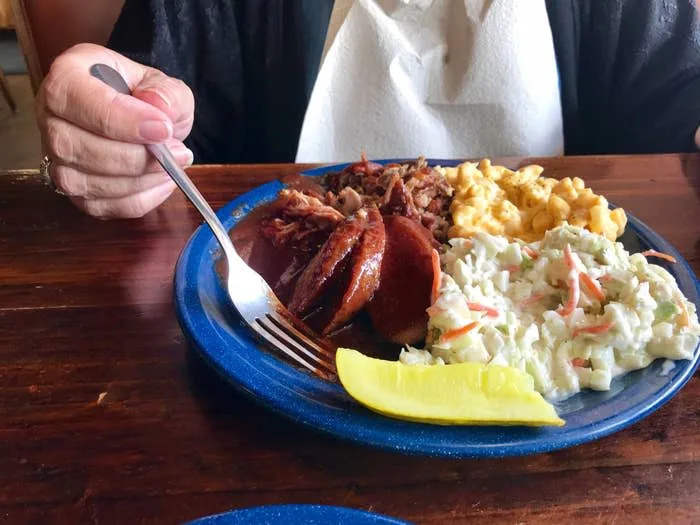
A plate of barbecue.

—u/moops__

Getty Images

3."There are no Florida Man stories in Europe."
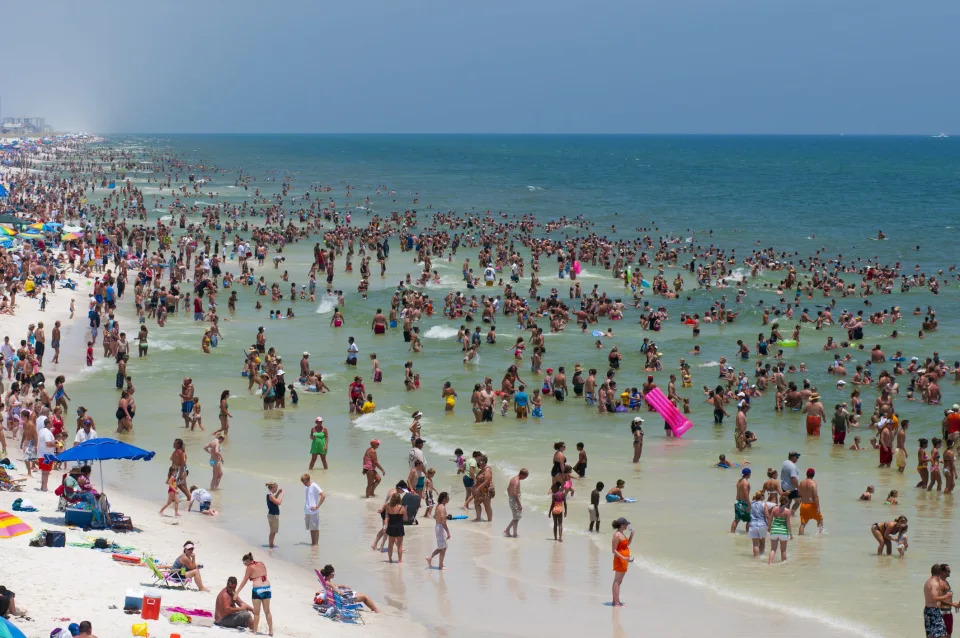
Many people at a crowded beach.
Getty Images

4."Outlets with 120 volts. My friends from the U.K. brought their own electronics over for a six-month stay, I asked to borrow a hair dryer after a night at their place. They had a U.K. to U.S. converter, but it would've been faster to air dry my hair. On the flip side, when I tried using my electronics in the U.K. with an adapter converter, my hairdryer and steamer immediately fried."
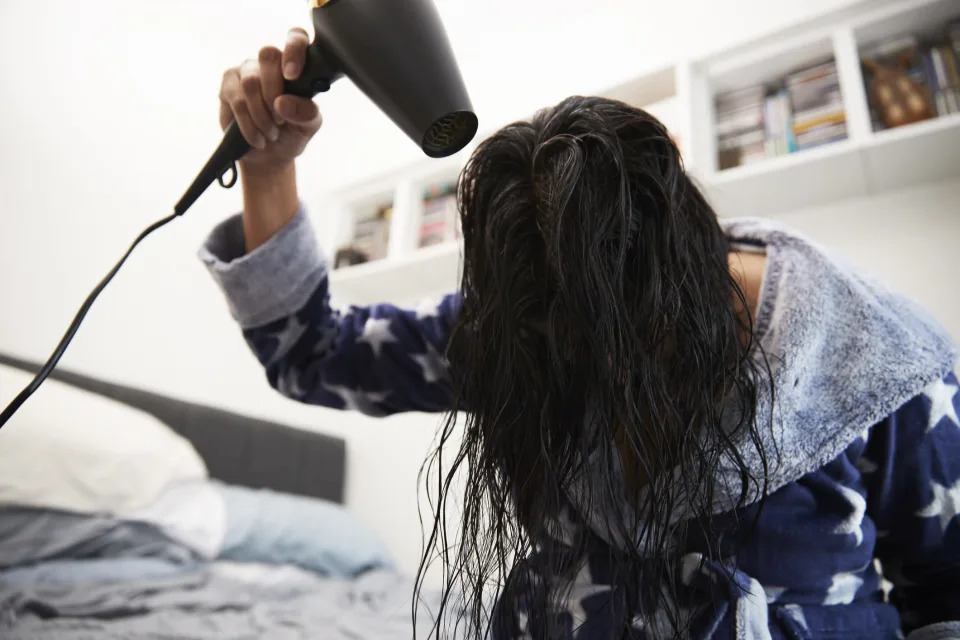
A woman drying her hair.
Getty Images

5."Ice water. In the U.S., you're given a tall glass of cold water as soon as you are seated at a restaurant. In Europe, expect to order fancy bottled water. I just want to chug some refreshing tap water."
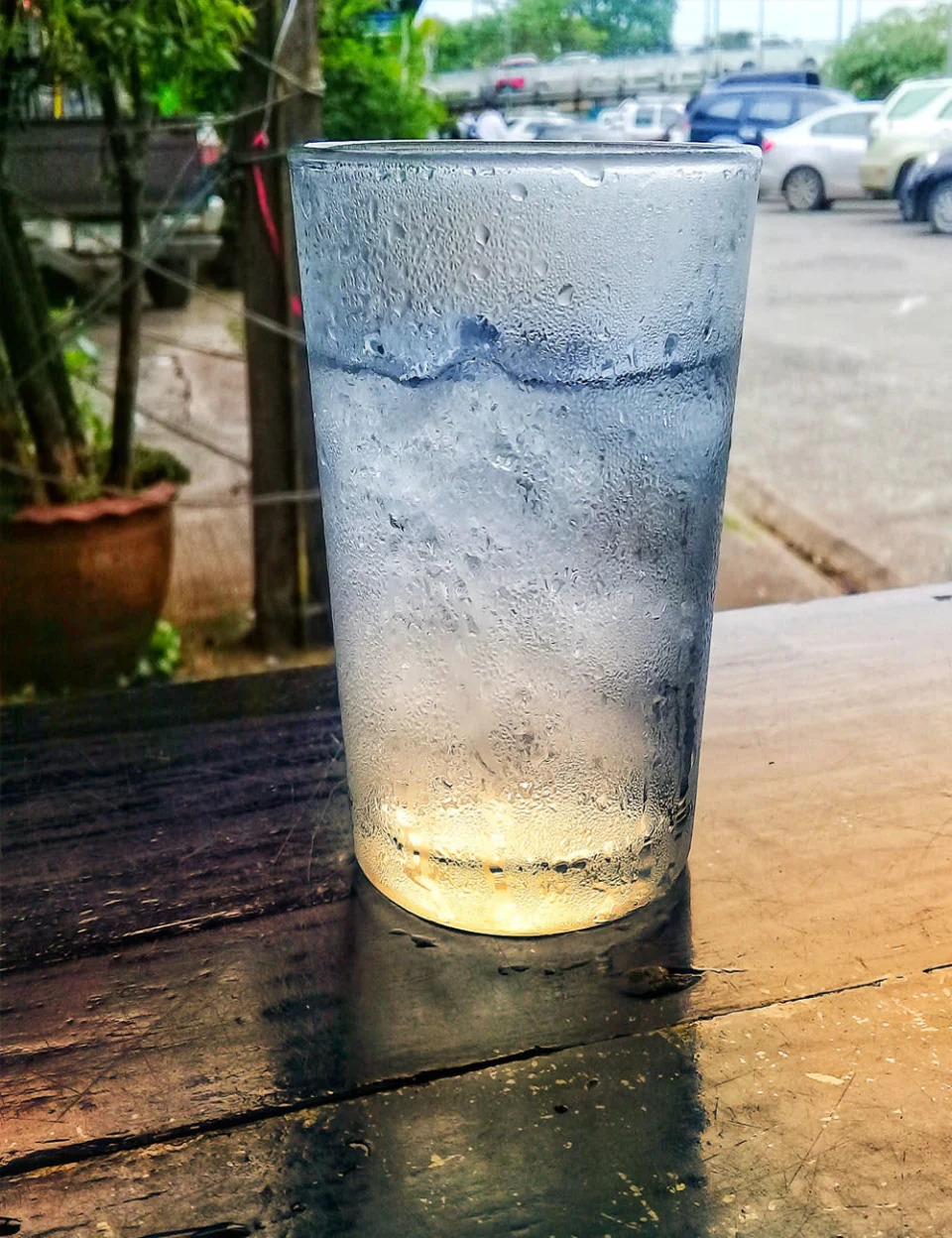
A glass with ice water.
Getty Images

6."Our currency has bill for the the one dollar. I do wonder how Europeans tip strippers with Euro coins."
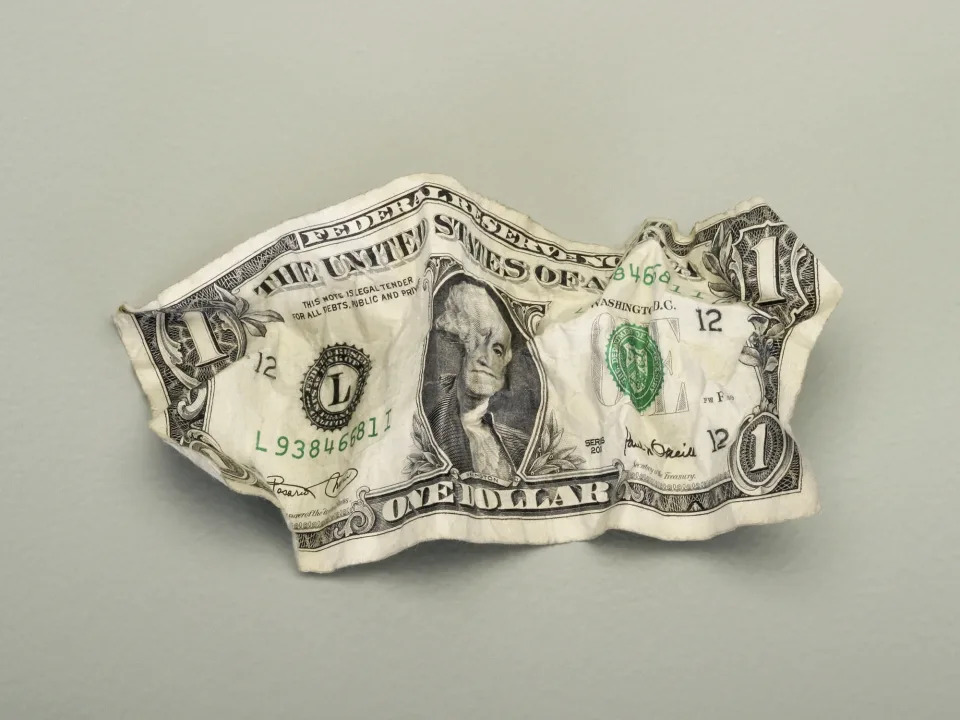
A crumbled up dollar bill.
Getty Images

7."Normal sized appliances. Every European who has seen my moderately-sized refrigerator says 'your refrigerator is the size of my whole flat.'"

A full-sized refrigerator.
Getty Images

8."Sinks with garbage disposals. As a kid in Europe I was always told not to put food down the sink. Meanwhile Americans are like 'if I don't eat it, the drain can have it.'"
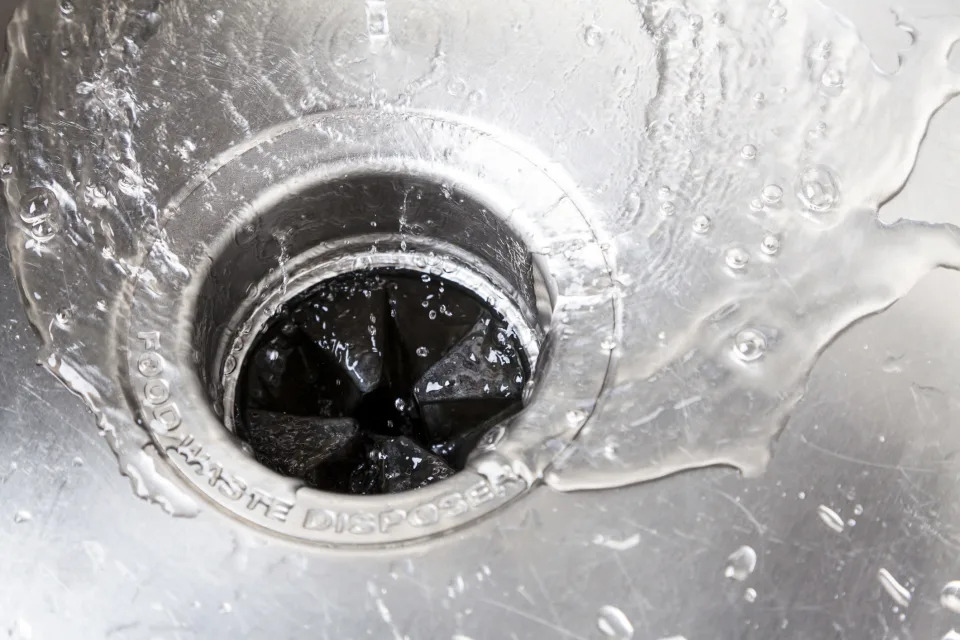
—u/Safebox
Getty Images

9."College sports. In case any Americans are wondering, university sport as a spectator event is literally not a thing in any meaningful sense in the U.K., with the exception of a single rowing race once a year. Uni's have sports teams for sure, but crowds are minimal and TV coverage non-existent."
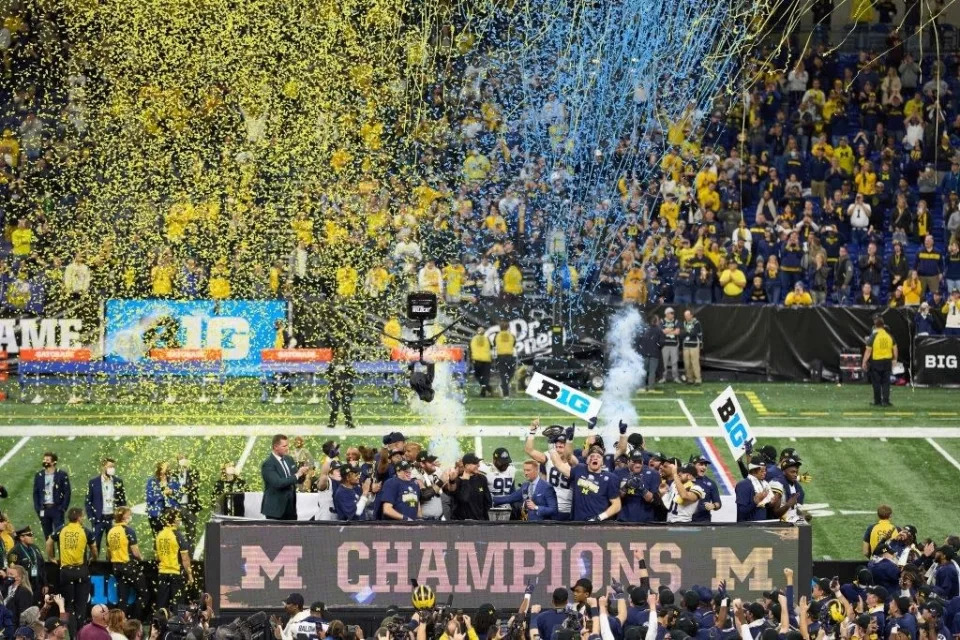
A college football game.
Getty Images

10."As a European who visited the U.S. 16 years ago, I am still thinking about your amazing sweets selection. Please send Twizzlers to Slovakia!"
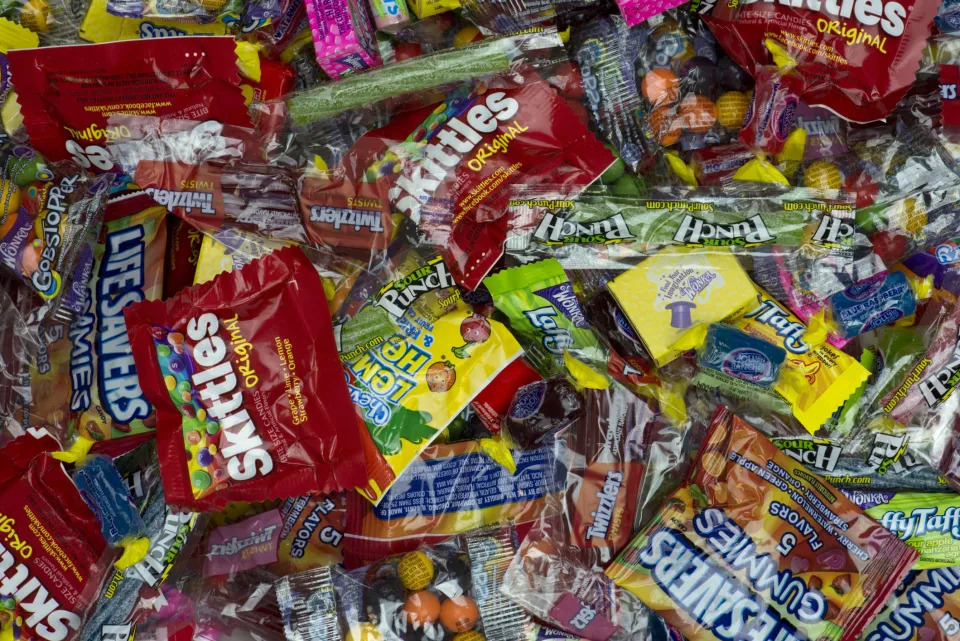
A pile of candy.
Getty Images

11."We don't have air conditioning in northern Europe and many other parts of the country, which is a requirement in most places in America."

Someone setting the temperature on the air conditioning.
Getty Images

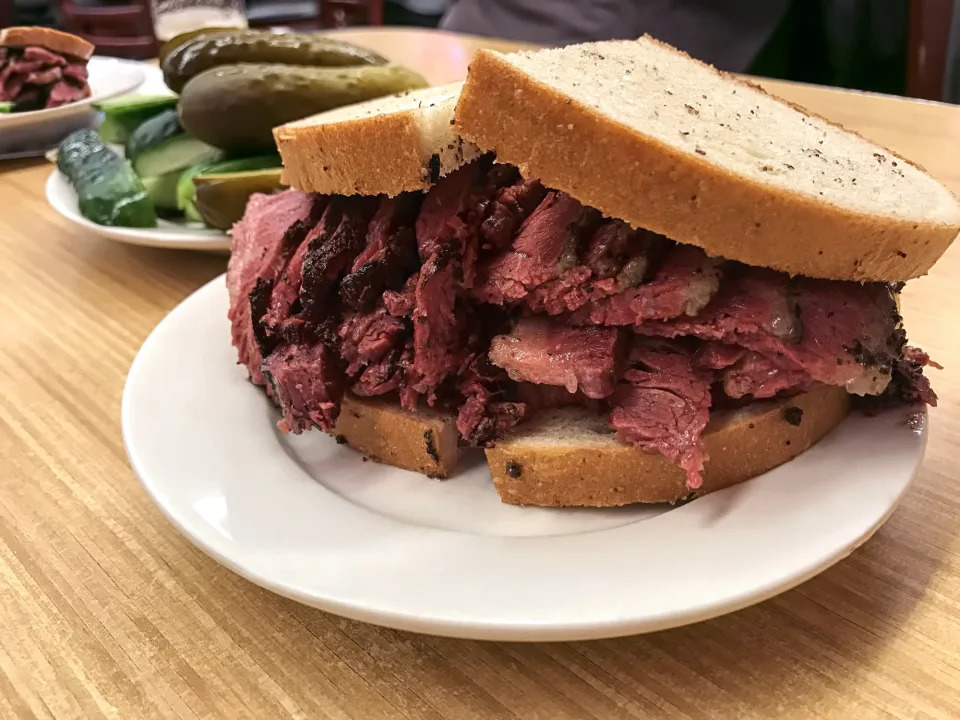
12."Bigger food portions. For example, a small or regular-sized meal is considered a large in European countries."
—u/__karmapolice
Getty Images

13."Automatic ice dispensers in refrigerators. In fact, it's such an American concept that you only find it on fridges that are labelled 'American style.'"

A large fridge with an ice dispenser
Getty Images

14."Root beer. It's a popular beverage in the United States, but visitors from Europe frequently comment on how strange it tastes."

A Root Beer float.
Getty Images

15."It's not a physical thing, but America has a sense of optimism you don't often feel in Europe. I've lived in both Europe and North America, and there is something in the air in the U.S. that instils a 'go for it' attitude in people. I found that in the E.U., the idea of doing something risky on your own immediately leads people to think there's no way it will work out."

Columbia Pictures

u/wanmoar

16."Ice cream flavor variety. Seriously, my British friends are always amazed when I tell them about how many flavors I get to choose from."
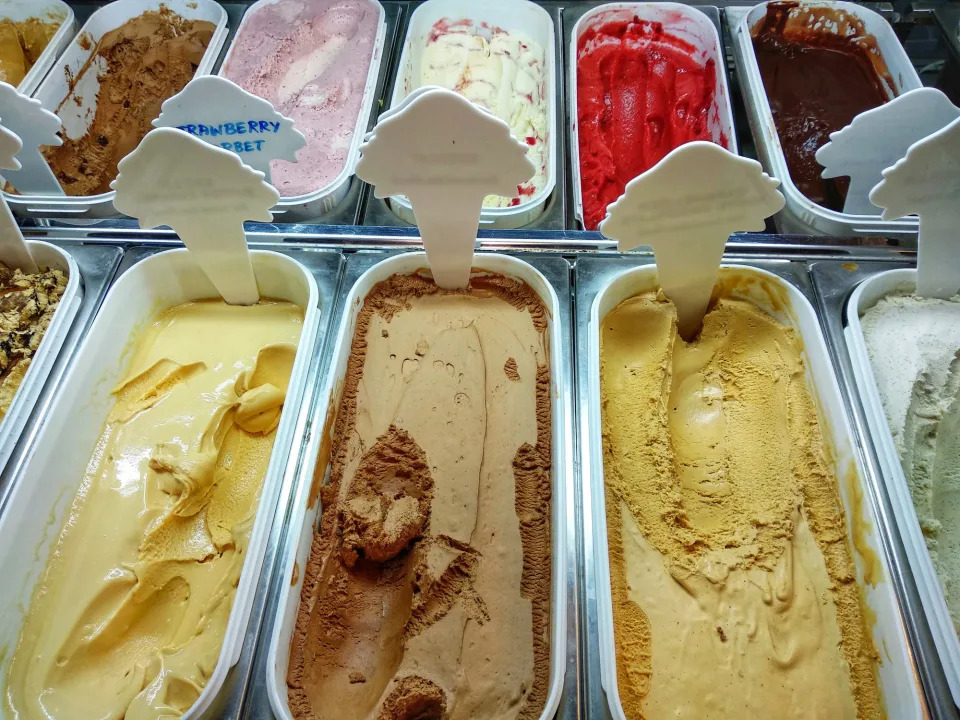
An ice cream display with many flavors
Getty Images

17."Legal right turn on red. IMO it's one of the America's greatest contributions to society."
A red traffic light.
Getty Images

18."One million choices in the cereal aisle."
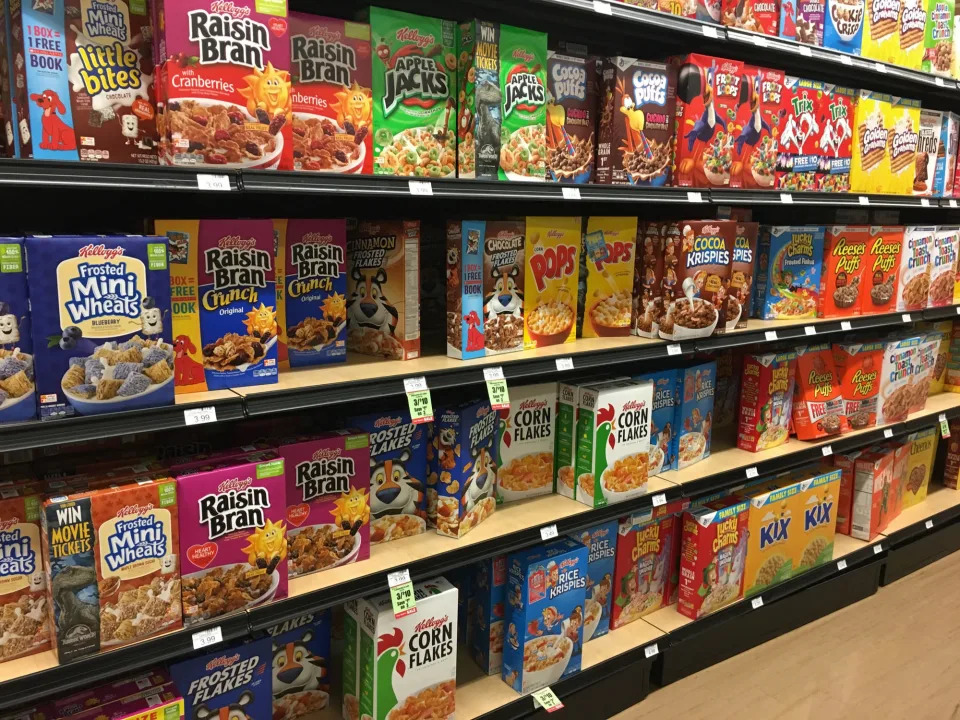
The cereal aisle at the grocery store
Getty Images

19."Wide open space. I love spending time in Europe, but man, it's amazing to come home to the U.S. and have hundreds of thousands of miles of nothing but open country to explore, hike, ride, camp, etc. A lot of this land isn't even included in national or state parks, which are also amazing."
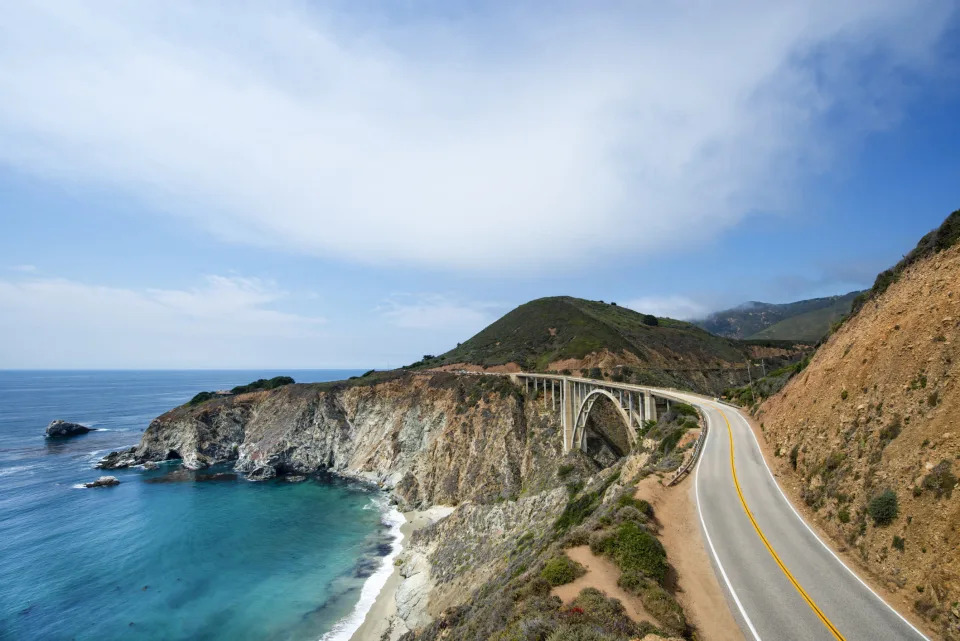
Highway at Big Sur, California.
Getty Images

20."The cheap price of gas. I don’t think most Americans understand how cheap gas truly is in the U.S. Just wait until you see the price in Europe."

A gas station pump
Getty Images

21."Drive thru everything! Drive thru Starbucks, McDonald's...I’ve even heard the U.S. has drive-thru bands and liquor stores. As someone from Europe, that’s a crazy concept to me."
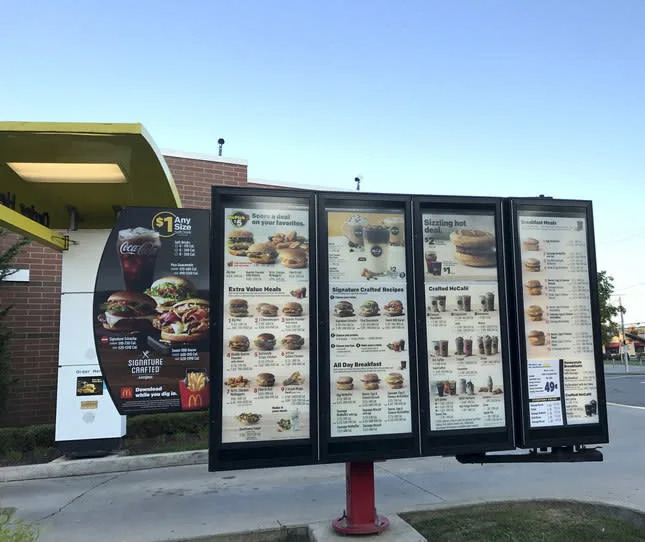
A McDonald's drive-thru.
Getty Images

22."Pancakes with maple syrup. People from Europe are always amazed by how much sugar is in American breakfast. Go to the U.K. and there is none. Go to Amsterdam where pancakes are basically the national specialty, but you'll see they are mostly savory."
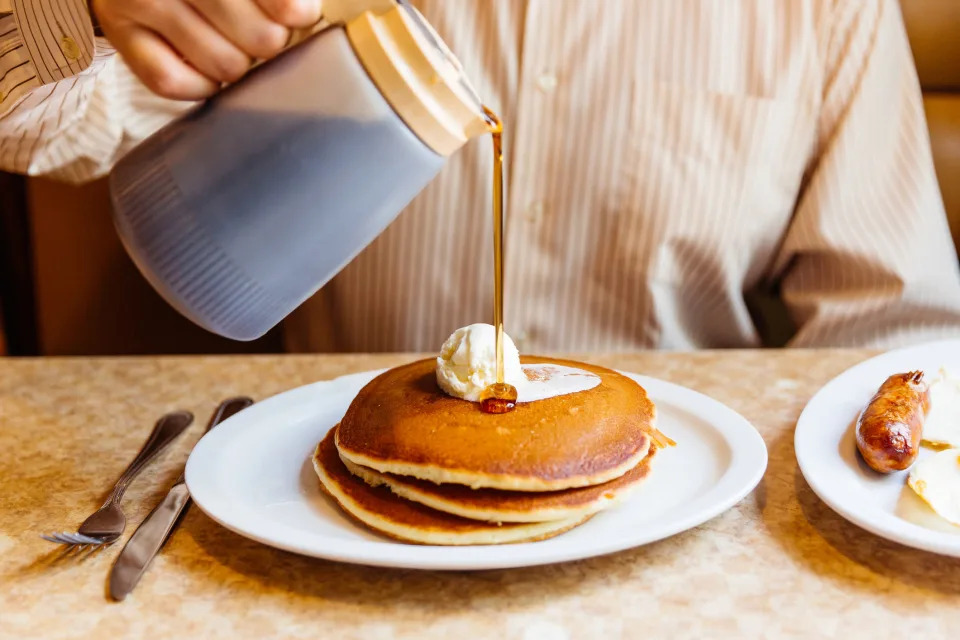
Pouring maple syrup onto a stack of pancakes.
Getty Images

23."The Grand Canyon. We don't have that at home, and it's one of the most amazing places I've ever visited."
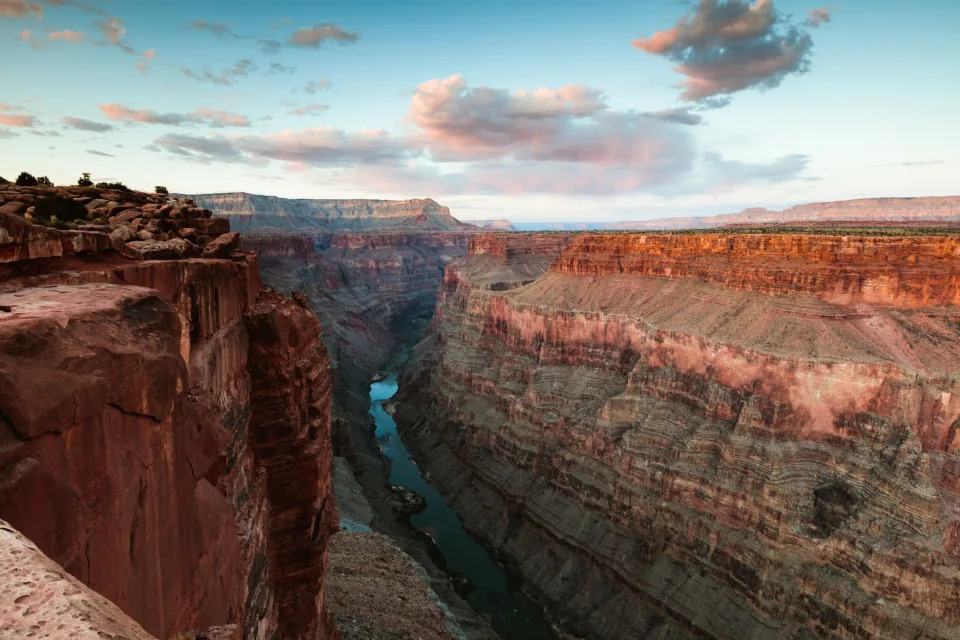
The Grand Canyon.

u/Ulf67

Getty Images

24."Ranch dressing. Why is it so good? And why don't we have it in Europe??"
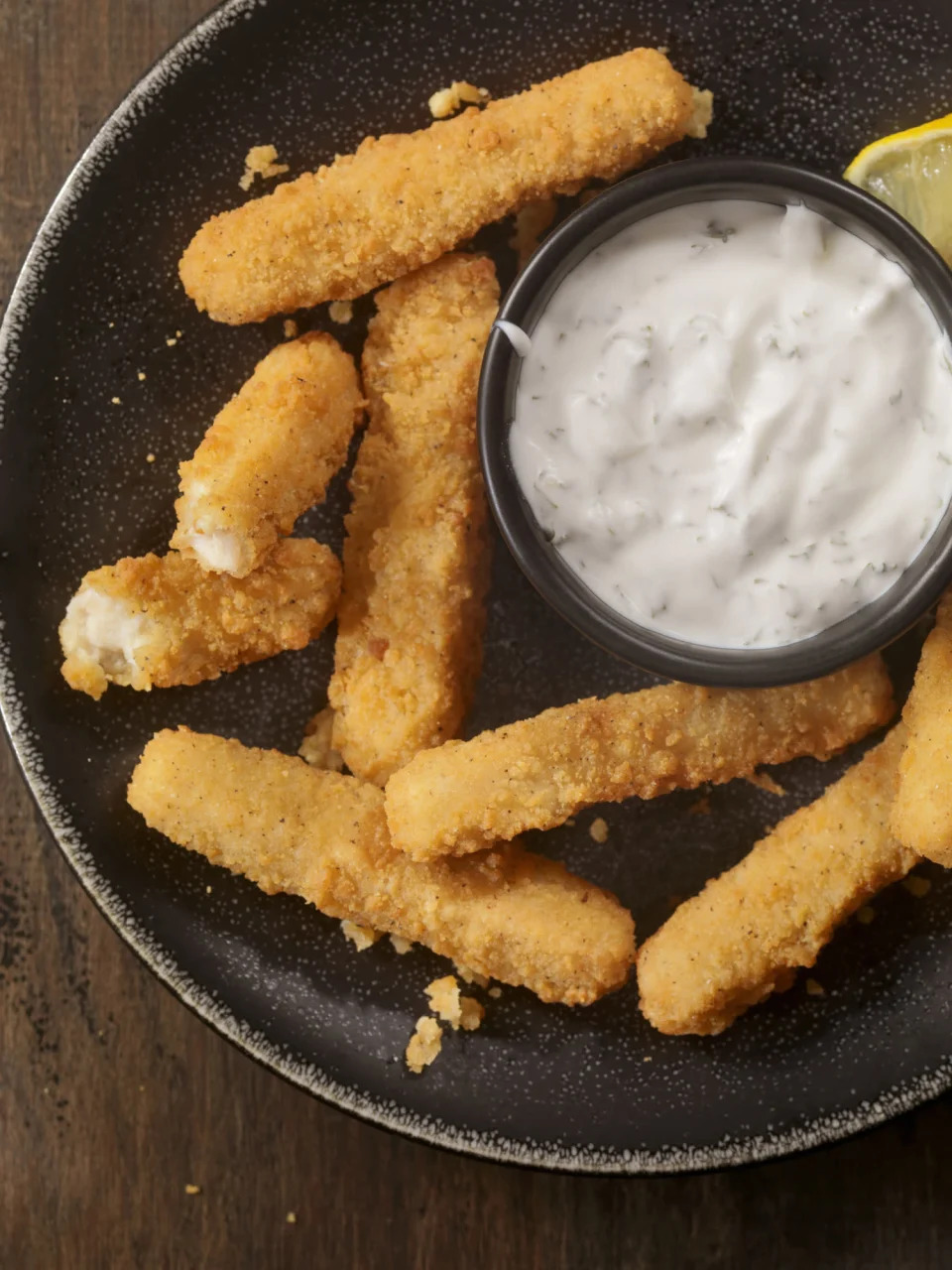
Fried mozzarella sticks with ranch dressing.
Getty Images

25."Diners. One of the best meals you will ever eat is American diner food at 2 a.m."
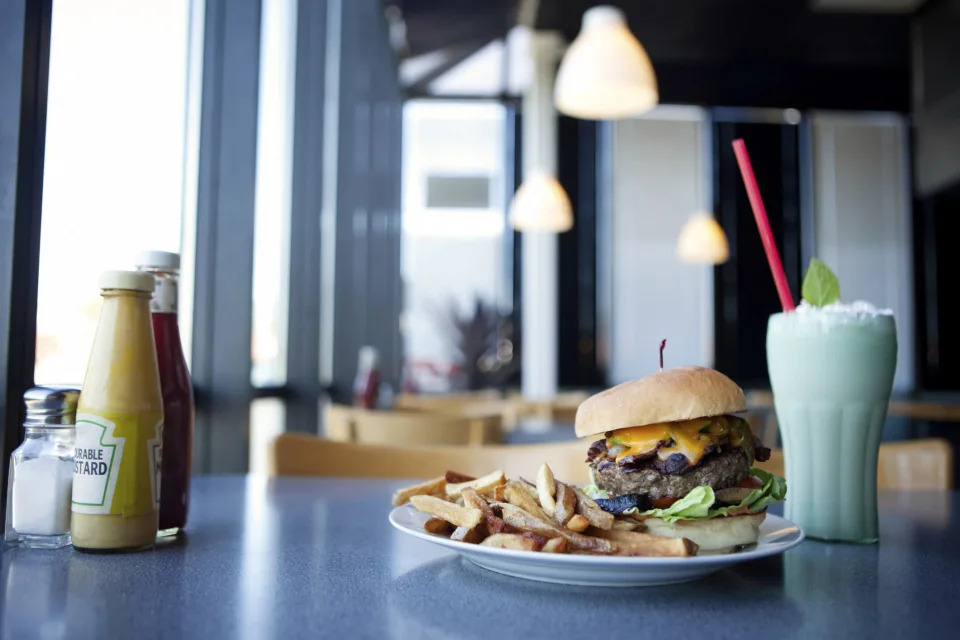
A burger, fries, and a green milkshake.
Getty Images

26."A more ecologically diverse country. Here in the U.S. we have virtually every climate and ecosystem on the gradient."
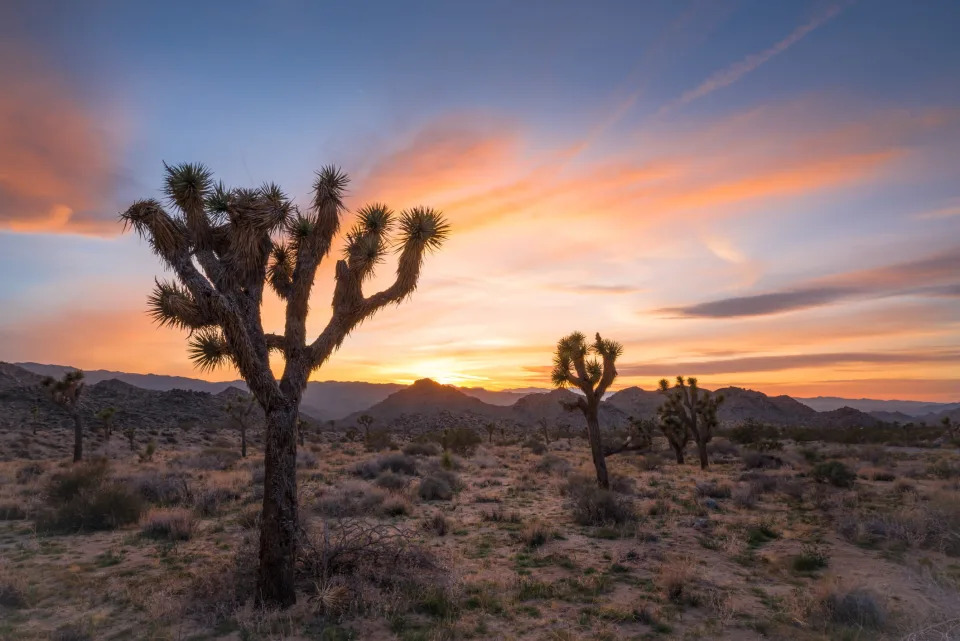
Desert landscape in Joshua Tree, California.
Getty Images

27."Hot pockets and pizza rolls. God bless America."
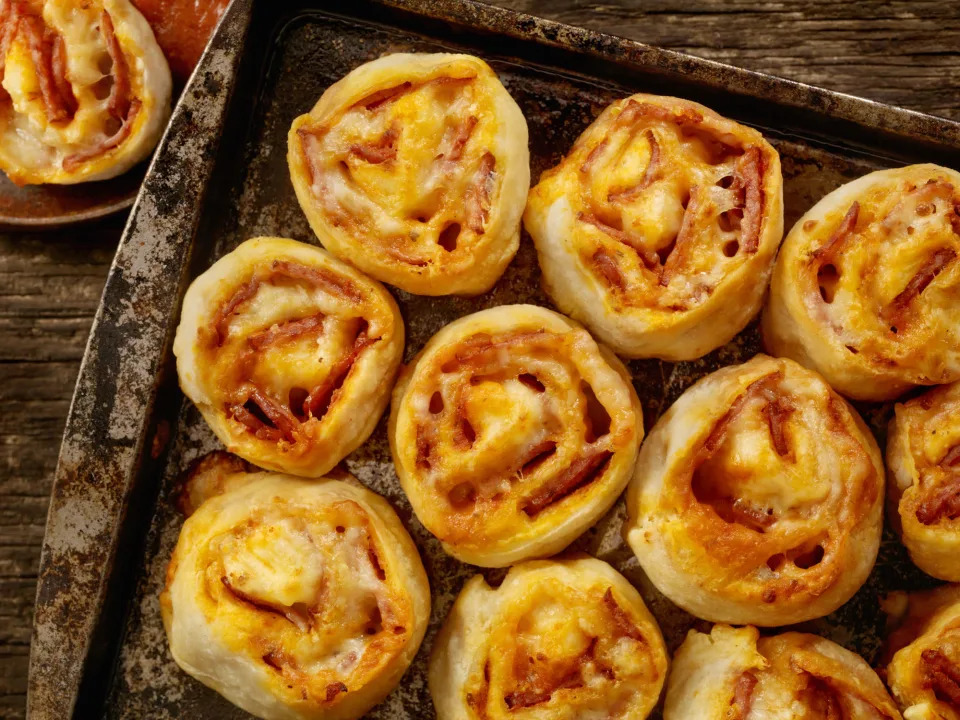
Pizza rolls on a baking sheet.
Getty Images

28."Middle class folks with 2,500 square feet of new construction homes on four or more acres. You don't see that where I'm from."

Suburban houses in a row.
Getty Images

29."Massive tubs of cheap peanut butter. It's rare and expensive in most of Europe, sold only in small 4- or 8-ounce containers."
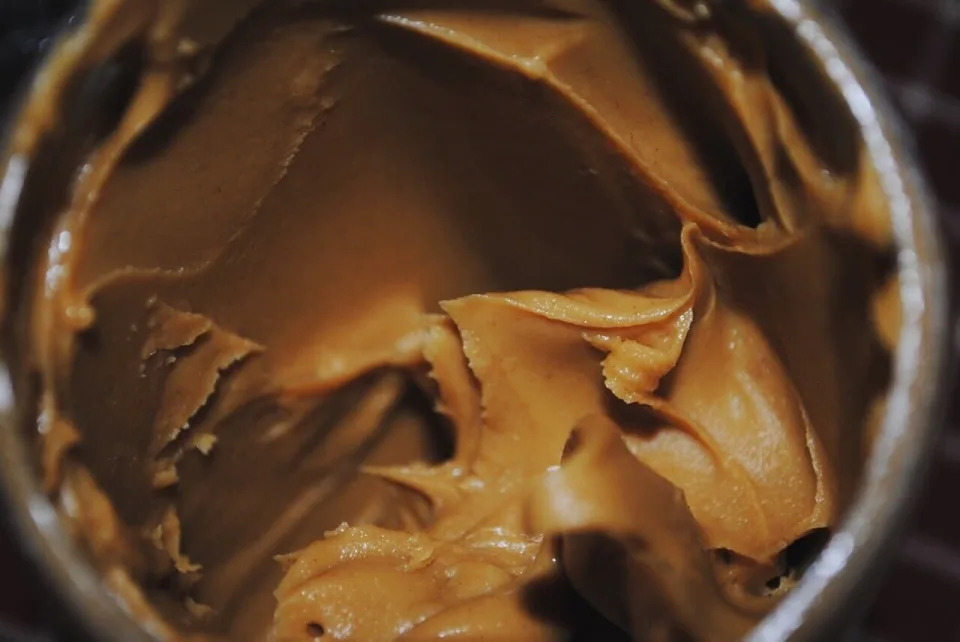
A jar of creamy peanut butter.
Getty Images

30."International food. Most mid-size U.S. towns in the middle of nowhere boast better Chinese, Korean, Japanese, Mexican, Indian, and Middle Eastern food than most European capitals."
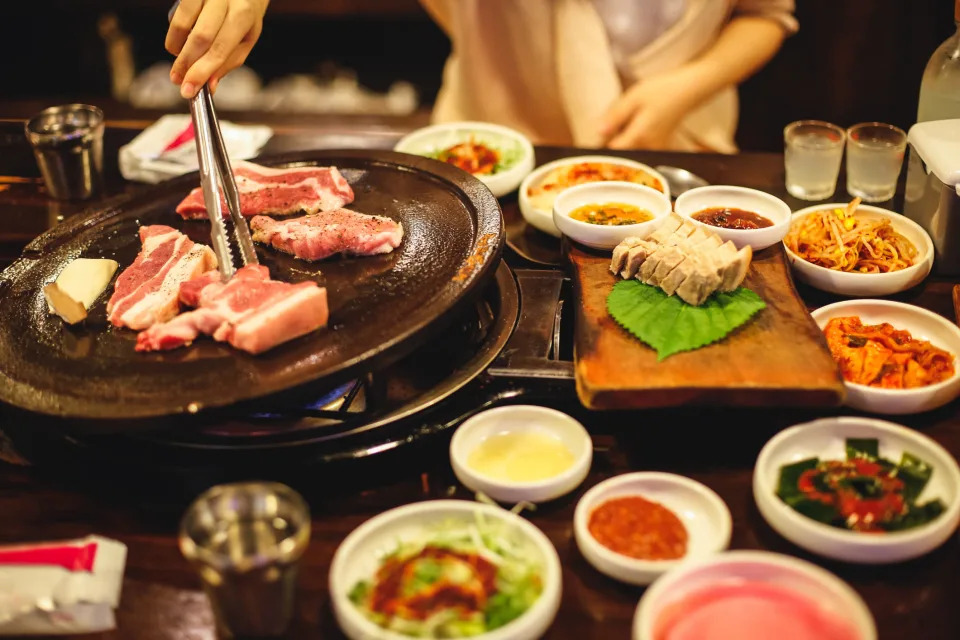
Korean BBQ.
Getty Images

31."Extracurricular activities at school. Playing a specific sport or being part of a team isn't something schools offer where I'm from in Europe. My cousins live in Texas and the fact that their school has tennis courts and a pool blows my mind. Some schools here have small clubs like theater or choir, but they don't compare to those in the States. U.S. high school theater plays can sometimes look like professional productions. It's insane."

FOX

u/biancastolemyname

32."Dipping sauce and condiments. We have so many kinds in the U.S. I went to a burger place in Italy and they didn’t even have ketchup — only olive oil and balsamic everywhere I went. I was really looking forward to going home to some good ol' BBQ, Ranch, honey mustard, and buffalo sauces."

Different dipping sauces.
Getty Images

33."Boozy Sunday brunch. The only other country I know that has it is the U.K. Most other European countries basically close down on Sundays. But here in the U.S., Sundays are for unlimited mimosas and football."

Pouring Champagne into orange juice glasses.
Getty Images

34."You can drive anywhere on half the continent without a passport, knowing only one language."
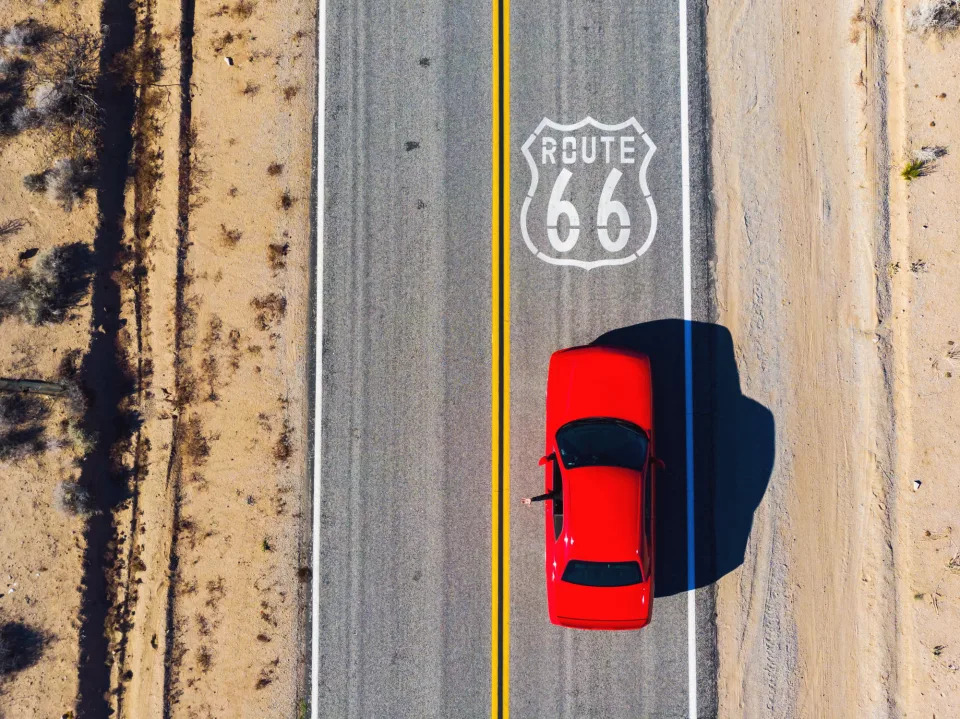
A red car driving on Route 66.
Getty Images

35."Around-the-clock access to food. The majority of the world doesn't have late-night fast food restaurants, let alone 24 hour grocery stores. In America if I need groceries at 3 a.m. in the U.S., they won't be too hard to find."

A neon 24-hour sign.
Getty Images

36.Anything you would add to this list? Share in the comments!

Our goal is to create a safe and engaging place for users to connect over interests and passions. In order to improve our community experience, we are temporarily suspending article commenting.
Belleville News-Democrat

Here’s what we know about OSHA’s investigation of the Amazon warehouse where 6 died

Mike Koziatek
Sat, December 18, 2021, 5:00 AM

Federal  workplace safety officers investigating  the Amazon warehouse in Edwardsville where  six workers were killed  in an EF-3 tornado on Dec. 10, will not be examining the type of construction methods used for the building or whether the structure met building codes, a spokesman said.

Investigators with the Occupational Safety and Health Administration, or OSHA, will review whether Amazon had a “proper emergency action plan,” U.S. Department of Labor spokesman Scott Allen said in an interview.

OSHA would “issue citations and propose monetary penalties if violations of workplace safety and or health regulations are found,” according to a news release from the agency on Monday.

During a press conference on Monday, Illinois Gov. J.B. Pritzker said the building’s construction will be reviewed to ensure it was completed to code. He also said building codes in general should be reviewed in light of the increase in extreme weather events.

“Obviously  there is an investigation  going on to make sure all the code was followed in the building of the building and to find out exactly what occurred here,” he said.

Jordan Abudayyeh, a spokeswoman for Pritzker, could not be reached for comment on Wednesday or Thursday about which state agency is handling that investigation.

A spokesman for the Illinois Department of Labor said the state agency does not investigate workplace safety issues involving public institutions such as police departments, fire departments and schools. Illinois OSHA does not investigate private businesses.

Edwardsville Police  Chief Michael Fillback was asked about the investigation and he referred the Belleville News-Democrat back to OSHA.

Federal OSHA investigation

As far as the federal OSHA investigation of Amazon’s emergency action plan, Allen said the agency will interview company officials. It also will find out if there was a “safety officer” at the worksite and interview that person.

Investigators will work to determine “whether all the OSHA standards were being followed,” Allen said.

OSHA has six months to complete its investigation.

An Amazon  spokesperson has said that workers were directed to go to a “shelter in place” location on the north side of the building and that the company will cooperate fully with the OSHA investigation.

The six people killed in the warehouse were employees of companies contracted by Amazon, the spokesperson said.

Allen said he could not yet release any specific information about the Amazon warehouse investigation and that it could be “several months” before the OSHA report is complete.

“They’re not going to address anything specific about this particular investigation until they’ve completed it,” Allen said of the compliance officers investigating the Amazon case.

Allen said the OSHA investigators first went to the warehouse on Saturday. Their duties included making sure that workers clearing the rubble at site were following safety procedures, he said.

Emergency action plan

The  OSHA website  lays out the specifics of what an emergency action plan should look like:

  An emergency action plan must be in writing, kept in the workplace and available to employees for review. However, an employer with 10 or fewer employees may communicate the plan orally to employees.

And the plan must include the following:

  Procedures for reporting a fire or other emergency.

  Procedures for emergency evacuation, including type of evacuation and exit route assignments.

  Procedures to be followed by employees who remain to operate critical plant operations before they evacuate.

  Procedures to account for all employees after evacuation.

  Procedures to be followed by employees performing rescue or medical duties.

Comments clarified

State Rep. Katie Stuart, D-Edwardsville, released a statement on Tuesday urging OSHA to “conduct a timely and thorough investigation of the facility, including a complete audit of the building codes, building materials and code enforcement in the facility.”

Stuart could not be reached for comment on Thursday about OSHA saying its investigation doesn’t cover building codes and building material. A representative from her office, however, sent an email clarifying her statement.

“We just want to clarify that Katie was only urging OSHA to investigate the above matters,” the email stated. “The important thing is to take a look at

Entry #1,487

'Faith in Humanity Restored' after Teens Return Found ...

https://www.westernjournal.com/teens-return-found...

Nov 02, 2021 · Teens Return Found Wallet, Refuse Reward and Become Friends with Owner: 'Faith in Humanity Restored' BMore Share. Raising kids well is the work of a lifetime, but it’s a priceless gift for all involved. Chris Persons from Palmetto Bay 

But that’s because someone had already found it. Lucas Perry, 15, had found it the same night Chris had dropped it in the parking lot. The next day, he drove with his 17-year-old sister Maya and father Eduardo to Chris’ house to get it back into his hands.

Chris was relieved and grateful.

Entry #1,485

How Evil Works

How evil works.....

The Marketing of Evil : How Radicals, Elitists, and Pseudo-Experts Sell Us Corruption Disguised as Freedom by David Kupelian

 Millions of Americans today accept ideas and behaviors that would have horrified all previous generations. Why? Why have thousands of years of Judeo-Christian moral standards suddenly been abandoned? What's behind today's divorce epidemic? Why is public prayer being criminalized? Why are 3,000 innocent unborn children aborted daily? In this widely acclaimed exposé, veteran journalist David Kupelian reveals the brilliant marketing strategies that have turned America upside down. "Within the space of our lifetime, much of what Americans once almost universally abhorred has been packaged, perfumed, gift-wrapped, and sold to us as though it had great value. By skillfully playing on our deeply felt national values of fairness, generosity, and tolerance, these marketers have persuaded us to embrace as enlightened and noble that which every other generation has regarded as grossly self-destructive--in a word, evil."

David Kupelian is an award-winning American journalist, vice president and managing editor of online news giant WorldNetDaily (WND.com), editor of Whistleblower magazine, and a widely read columnist.
Entry #1,483

Professor On Negative Thoughts: Classroom Demo Example

Thanks kelli

This reminds me of a story I recently heard about a classroom…

A professor held up a glass of water and asked the class “How heavy is this glass of water?”

Bewildered, the students looked at each other and started to randomly guess…8 ounces? 12? Maybe 16?

The professor shook his head.

“The absolute weight of the glass doesn’t matter. It depends on how long I hold onto it.

If I hold it for a minute, nothing happens.

If I hold it for an hour, my arm will begin to ache.

If I hold it all day long, my arm will feel numb and paralyzed.

While the weight of the glass hasn’t changed, the longer I hold onto it the heavier it becomes.”

Negative thoughts are just like the glass of water. If you dwell on them for too long, you will feel discouraged and even paralyzed.

To move forward in life, we need to put that ‘glass’ of negative thoughts down.

We need to release the weight…

Entry #1,482

Policeman Wins One!

Policeman  Wins One!


A motorcycle police officer stops a driver for shooting through a red light.  The driver is a real jerk,  steps out of his car and comes striding toward the officer, demanding to know why he is being  harassed by the Gestapo !


So the officer calmly tells him of the red light violation. The motorist instantly goes on a tirade,  questioning the officer's ancestry, sexual orientation, etc., in rather explicit offensive terms.


The tirade goes on and on without the officer saying anything.


When the officer finishes writing the ticket he puts an "AH" in the lower right corner of the  narrative portion of the ticket. He then hands it to The 'violator' for his signature. The guy signs  the ticket angrily, and when presented with his copy points to the "AH" and demands to knowwhat it stands for.


The officer says,  “That’s so when we go to court, I'll remember that you're an <snip> !"


Two months later they're in court. The 'violator' has a bad driving record with a high number of  points and is in danger of losing his license, so he hired a lawyer to represent him.


On the stand the officer testifies to seeing the man run through the red light.


Under cross examination the defense attorney asks;  "Officer is this a reasonable facsimile of the  ticket that you issued to my client ?"


Officer responds,  “Yes, sir, that is the defendant's copy, his signature and mine, same number at  the top."


Lawyer: "Officer, is there any particular marking or notation on this ticket you don't normally make ?"


"Yes, sir, in the lower right corner of the narrative there is an "AH," underlined."


"What does the "AH" stand for, officer?"


"Aggressive and hostile, Sir."


"Aggressive and hostile?"


"Yes, Sir.


"Officer, are you sure it doesn't stand for <snip> ?"


Well, Sir, you know your client better than I do.


How often can one get an attorney to convict his own client?


Entry #1,481

In The Great Spirit of Gratitude :-)

A Blessing Prayer for Our  Thanksgiving meal 

Lord our God, father of Abraham, Jacob and Isac, You have created everything with wisdom, and have established the universe, and have given us everything according to our needs. And now, O Lord, +Bless with your mercy, our thanksgiving dinner, and all those who are joining us at this table, and the goodness of this household. Also Lord, +Bless all those who remember the poor mercifully and our vigilant brave military. And we shall thankfully glorify you for all your gifts, now and always and forever. Amen. 

In the Spirit of Gratitude :-)

Eddessa_Knight

Entry #1,479

Did Journalist Dorothy Kilgallen's Probe of JFK's Assassination KILL Her ?

---------------------------------------------------------------------------------


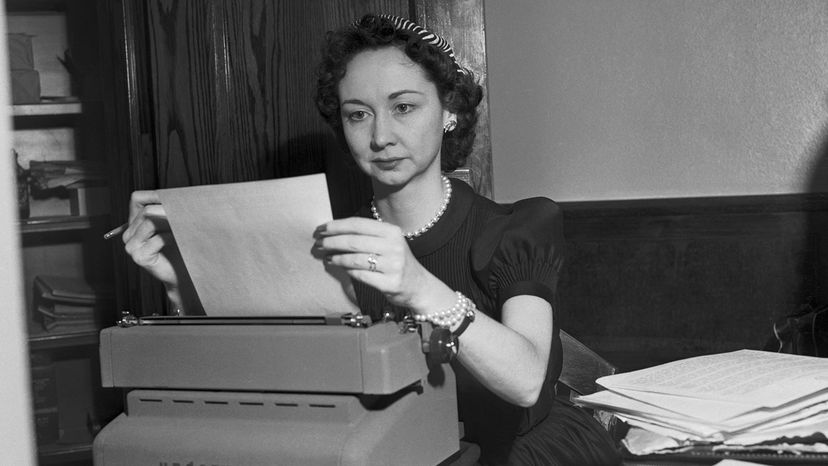
Journalist Dorothy Kilgallen works at her typewriter while covering the Sam Sheppard murder trial in 1954.  

Though Dorothy Kilgallen isn't a familiar name to many people today, there was a time — from the 1940s to the mid-1960s — when she was one of the biggest stars in the media world, a trailblazing woman  journalist  and TV personality who paved the way for generations to follow.

As a syndicated columnist in more than 200 newspapers across the nation, Kilgallen covered everything from entertainment and politics to crime. When she wasn't covering big stories such as the  1954 murder trial of Dr. Sam Sheppard  (the inspiration for the TV series and movie "The Fugitive") or Soviet leader Nikita Khrushchev's visit to the U.S. in 1959, she was arousing the ire of Frank Sinatra by reporting on his personal life. (According to  Sinatra biographer James Kaplan,  the singer and actor was so irked by what Kilgallen wrote about him that he once sent her a tombstone with her name carved on it.) She also appeared on Americans' TV screens each week as a panelist in the popular quiz program "What's My Line?"

But Kilgallen never got a chance to finish what might have been her biggest story — her investigation into the assassination of  President John F. Kennedy, and the suspicion that alleged assassin Lee Harvey Oswald's subsequent murder by Dallas nightclub owner Jack Ruby while in police custody might have been part of a coverup of a bigger plot. Instead, on Nov. 8, 1965, Kilgallen was found dead in her New York City townhouse, in what the medical examiner decided was possibly an accidental overdose of alcohol and barbiturates, according to this  1965 United Press International story.

More than a half-century later, that explanation is challenged by  Mark Shaw, a former criminal defense attorney and legal analyst for CNN and other media outlets, and the author of more than 20 books. He's spent years investigating the circumstances of her death, and believes that Kilgallen actually was murdered, in order to prevent her from uncovering the truth about what had happened in Dallas.

"She knew it wasn't Oswald alone," Shaw explains.

Kilgallen
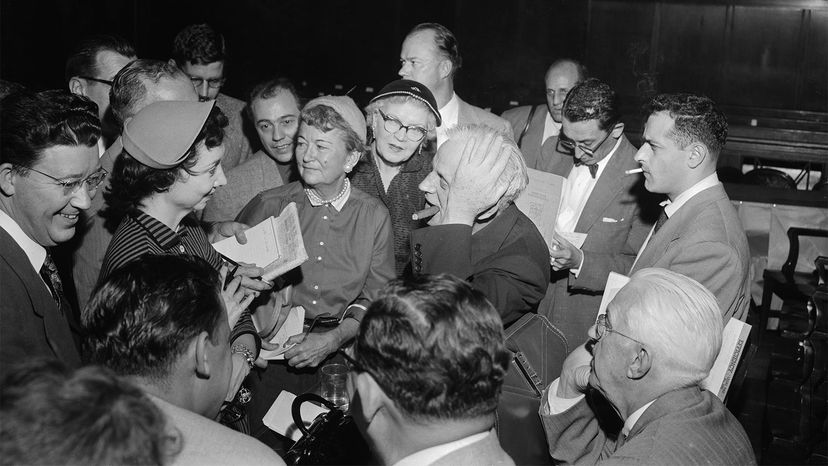
Dorothy Kilgallen, in hat at left, with defense attorney William J. Corrigan hidden behind her, is the center of attention at the courthouse during the Sam Sheppard murder trial.
BETTMANN/GETTY IMAGES

Shaw has written extensively about Kilgallen, including a 2016 biography, "The Reporter Who Knew Too Much: The Mysterious Death of 'What's My Line' TV Star and Media Icon Dorothy Kilgallen," and a 2021 follow-up, "Collateral Damage: The Mysterious Deaths of Marilyn Monroe, Dorothy Kilgallen and the Ties That Bind Them to Robert Kennedy and the JFK Assassination." The movie rights to "Collateral Damage" recently were optioned by a production company connected to actor Mark Wahlberg, according to  Deadline.)

Who Was Dorothy Kilgallen?

Born in Chicago in 1913, Kilgallen was the daughter of  Jim Kilgallen, a newspaper and wire service reporter. At a young age, she decided to follow in her father's footsteps. After she briefly attended the College of New Rochelle, her father managed to get her a two-week tryout at the New York Evening Journal, according to Shaw's 2016 biography. She quickly became a star reporter in her own right, so adept at covering court cases that in 1935, she was assigned to cover the trial of Bruno Hauptmann, accused of kidnapping and killing the son of aviator Charles Lindbergh.

After her bosses promoted her from reporter to columnist, Kilgallen made a name for herself as one of three New York journalists competing in a race around the world. She finished second, making the journey in 24 days, 13 hours and 51 minutes, and published a book about her adventure,  "Girl Around the World,"  which was made into a 1937 Hollywood film, "Fly Away Baby."

After the Evening Journal merged with the New York American in 1938, the new Journal-American appointed Kilgallen as its Broadway columnist, making her "the first woman in a hitherto masculine field," as her  Associated Press obituary  eventually would note.

Like today's media superstars, Kilgallen worked in multiple platforms. She soon began doing a  radio program  as well. She married actor turned theatrical producer Dick Kollmar, and found time to raise three children.

By the 1950s, she also was a regular panelist on the TV program "What's My Line?," where she guessed the occupations of guests and the identity of mystery celebrities. (In this  YouTube video  of a 1965 episode, a blindfolded Kilgallen tries to guess the identity of Sean Connery.) Kilgallen was such a celebrity in her own right that Edward R. Murrow  interviewed  the columnist from her home in New York.

Kilgallen
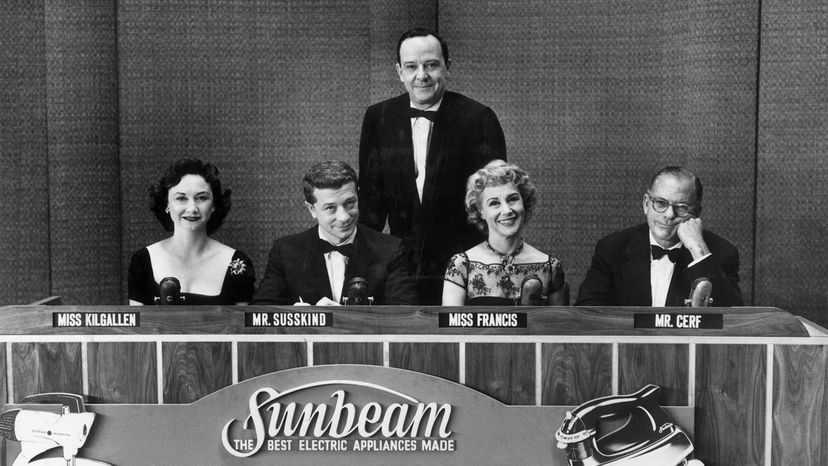
Host John Daly standing over the panelists of the television quiz series 'What's My Line?,' from left to right, Dorothy Kilgallen, David Susskind, Arlene Francis and Random House publisher Bennett Cerf.
HULTON ARCHIVE/GETTY IMAGES

Kilgallen was Barbara Walters and Oprah Winfrey rolled into one, Shaw says. "Nobody's ever had a journalistic career like Dorothy had, as well as her television career," he notes.

Kilgallen and the Kennedy Assassination

But fame didn't stop Kilgallen from continuing to be a hard-driven reporter. After the assassination of President Kennedy, with whom she had become friends, the columnist wasn't satisfied with the official version of his assassination and the aftermath. In particular, she was suspicious about the  killing of accused assassin Oswald by Ruby  in the basement of Dallas police headquarters, two days after JFK's murder.

"Well, I'd like to know how, in a big, smart town like Dallas, a man like Jack Ruby — owner of a strip tease honky tonk — can stroll in and out of police headquarters as if it was at a health club at a time when a small army of law enforcers is keeping a 'tight security guard' on Oswald," Kilgallen  wrote in a column  published a week after JFK's death.

According to Shaw's 2016 biography, Kilgallen began probing the Dallas police and FBI investigations, and built a growing file of information about Oswald and Ruby from her contacts in Dallas, in an effort to make sure Americans got the whole story of what had happened. She grew even more suspicious when she learned that San Francisco attorney Melvin Belli, primarily a civil litigator — his  1996 obituary  called him "the King of Torts" – would be representing Ruby. Belli hadn't tried a murder case in years, which made him seem like an unusual choice. And as Shaw notes, the flamboyant lawyer's clients included prominent mobster Mickey Cohen, a connection that would later seem troubling to those who suspected organized crime involvement in JFK's murder.

Shaw, who also has written a  2011 biography of Belli,  notes that Belli chose to put on an unorthodox insanity defense for Ruby, claiming that a rare form of epilepsy had rendered the nightclub owner incapable of knowing right from wrong when he shot Oswald. It was a theory "which I didn't understand, and neither did the jury," Shaw notes.

<source "="" data-srcset="https://media.hswstatic.com/eyJidWNrZXQiOiJjb250ZW50Lmhzd3N0YXRpYy5jb20iLCJrZXkiOiJnaWZcL2tpbGdhbGxlbjUuanBnIiwiZWRpdHMiOnsicmVzaXplIjp7IndpZHRoIjoyODV9LCJ0b0Zvcm1hdCI6ImF2aWYifX0=" type="image/avif" srcset="https://media.hswstatic.com/eyJidWNrZXQiOiJjb250ZW50Lmhzd3N0YXRpYy5jb20iLCJrZXkiOiJnaWZcL2tpbGdhbGxlbjUuanBnIiwiZWRpdHMiOnsicmVzaXplIjp7IndpZHRoIjoyODV9LCJ0b0Zvcm1hdCI6ImF2aWYifX0="><source "="" data-srcset="https://media.hswstatic.com/eyJidWNrZXQiOiJjb250ZW50Lmhzd3N0YXRpYy5jb20iLCJrZXkiOiJnaWZcL2tpbGdhbGxlbjUuanBnIiwiZWRpdHMiOnsicmVzaXplIjp7IndpZHRoIjoyODV9fX0=" srcset="https://media.hswstatic.com/eyJidWNrZXQiOiJjb250ZW50Lmhzd3N0YXRpYy5jb20iLCJrZXkiOiJnaWZcL2tpbGdhbGxlbjUuanBnIiwiZWRpdHMiOnsicmVzaXplIjp7IndpZHRoIjoyODV9fX0=">Dorothy Kilgallen
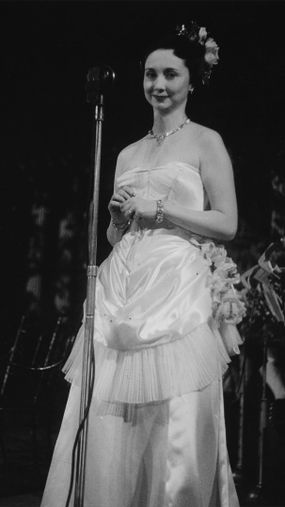
Kilgallen speaks to an audience, circa 1955.
FPG/ARCHIVE PHOTOS/GETTY IMAGES

When Ruby went on trial in Dallas in February 1964, Kilgallen was in attendance. She had dinner with Belli and asked for an interview with his client. The lawyer told her it wasn't possible. But Kilgallen persisted, and eventually circumvented Belli by going through his co-counsel, Joe Tonahill, according to Shaw's biography.

"She landed the interview," Shaw says. "She was the only reporter out of 400 there who interviewed Jack Ruby."

As Kilgallen recounted in an exclusive for the Journal-American, the defendant had a trembling handshake, "like the heartbeat of a bird," and seemed unnerved. "I feel I'm on the verge of something I don't understand — the breaking point maybe," she quoted him as saying. Later in the trial, Kilgallen spoke to Ruby a second time, but didn't write a column about it, instead keeping the substance secret, according to Shaw's biography.

After Ruby's conviction, Kilgallen continued to dig into the case, convinced that the whole truth hadn't been told. She obtained from a source a copy of Ruby's secret testimony to the Warren Commission. In her  August 1964 exclusive, she revealed that Ruby told Chief Justice Earl Warren that he believed JFK's assassination had been the result of a plot, but insisted that he hadn't been involved. He also told Warren that the official investigation was "a lost cause," Kilgallen reported. (In 1966, Ruby's conviction was  overturned by an appeals court, which found that the trial judge had allowed inadmissible testimony and should have granted a change of venue, but Ruby  died of cancer  before he could be retried.

But Kilgallen wasn't through investigating. In a  September 1965 column, she wrote that the story of Oswald and the assassination "isn't going to die as long as there's a real reporter alive — and there are a lot of them alive."

The following month, according to Shaw's biography, Kilgallen traveled to New Orleans — a hint that she may have been investigating organized crime involvement in the JFK assassination.

"She didn't go to Washington, D.C., to look into the military-industrial complex, or stay in Dallas and look at Lyndon Johnson, or go to Miami looking at these Cuban exiles," Shaw says. He believes that Ruby had told Kilgallen that he was connected to  Louisiana mob boss Carlos Marcello, and that at his behest, Ruby had killed Oswald — "to build the wall, to silence him," Shaw explains.

Marcello had reasons to be angry at the Kennedy administration, after he was deported to Guatemala in 1961 and subsequently  prosecuted  in federal court on immigration-related charges (though he was  acquitted  on the same day that JFK was killed). A U.S. House committee reinvestigating the JFK assassination in 1979  concluded  that Marcello "had the motive, means and opportunity to have President John F. Kennedy assassinated, though it was unable to establish direct evidence of Marcello's complicity."

Kilgallen Is Found Dead

But if Kilgallen was onto something, she didn't have the time to pursue it further. On Nov. 8, 1965, her body was found — newspaper accounts differ about whether it was by a maid or her hairdresser, Marc Sinclaire – in her New York City home. But Shaw says there were plenty of details that should have been a tipoff that something was amiss.

<source "="" data-srcset="https://media.hswstatic.com/eyJidWNrZXQiOiJjb250ZW50Lmhzd3N0YXRpYy5jb20iLCJrZXkiOiJnaWZcL0tpbGdhbGxlbjQuanBnIiwiZWRpdHMiOnsicmVzaXplIjp7IndpZHRoIjoyODV9LCJ0b0Zvcm1hdCI6ImF2aWYifX0=" type="image/avif" srcset="https://media.hswstatic.com/eyJidWNrZXQiOiJjb250ZW50Lmhzd3N0YXRpYy5jb20iLCJrZXkiOiJnaWZcL0tpbGdhbGxlbjQuanBnIiwiZWRpdHMiOnsicmVzaXplIjp7IndpZHRoIjoyODV9LCJ0b0Zvcm1hdCI6ImF2aWYifX0="><source "="" data-srcset="https://media.hswstatic.com/eyJidWNrZXQiOiJjb250ZW50Lmhzd3N0YXRpYy5jb20iLCJrZXkiOiJnaWZcL0tpbGdhbGxlbjQuanBnIiwiZWRpdHMiOnsicmVzaXplIjp7IndpZHRoIjoyODV9fX0=" srcset="https://media.hswstatic.com/eyJidWNrZXQiOiJjb250ZW50Lmhzd3N0YXRpYy5jb20iLCJrZXkiOiJnaWZcL0tpbGdhbGxlbjQuanBnIiwiZWRpdHMiOnsicmVzaXplIjp7IndpZHRoIjoyODV9fX0=">Dorothy Kilgallen newspaper clipping about her death
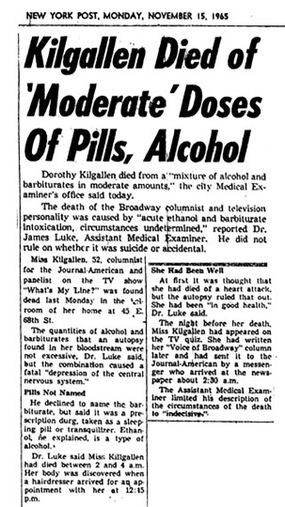
The New York Post edition for Monday, Nov. 15, 1965, which included the medical examiner’s statements on Dorothy Kilgallen’s death.
WIKIMEDIA COMMONS (CC-BY-SA-4.0)

"She was found in her townhouse in a bedroom she never slept in," Shaw says. "The columnist also was wearing makeup, false eyelashes and a hairpiece, and a robe instead of the pajamas that she normally wore to bed. There was a book upside down in her lap that she'd already read, and her reading glasses weren't around."

"Obviously, to anybody with a brain, that's a staged death scene," Shaw continues. "But the police came, they found an empty bottle of Seconal sleeping pills and right away, okay, this is another celebrity who overdosed on drugs."

As detailed in "The Reporter Who Knew Too Much," other troubling details are evident in the medical examiner's report on Kilgallen's death, including the presence of  Tuinal,  a powerful sedative-hypnotic medication that she hadn't been prescribed by her doctor.

And then there were the missing files and notes from her investigation into Jack Ruby, the mob and the Kennedy assassination. Hairdresser Marc Sinclaire later recalled that he saw Kilgallen carrying around "a big packet of papers with her that she said pertained to the assassination." The file mysteriously went missing after Kilgallen's death and has never been found, according to Shaw's biography.

In addition to halting her investigation, the assumption that Kilgallen had died of a drug-and-alcohol overdose "destroyed Dorothy Kilgallen's reputation," Shaw laments. As a result, he says, "She basically disappeared from the face of the earth."

Shaw's biography of Kilgallen and subsequent work about her has helped to revive interest in the pioneering woman journalist, and he's determined to keep alive the memory of "one of the greatest reporters who ever lived." He corresponds with new admirers of her work, including students inspired to study journalism by her example. "Two guys that email me all the time — they go to Dorothy's burial site and lay flowers there," he says.

More than a half-century after Kilgallen's death, "she's getting that respect back," Shaw says.

Dorothy Kilgallen was 52 years old when she died. Here, her fellow panelists on "What's My Line?" say goodbye:

Kilgallen

Entry #1,476

Sir John Templeton's Advice on How to Give Thanks & pastor Preston Bradley...

A few years ago I suffered a "home invasion" when 22 of my relatives showed up for Thanksgiving. (Some of them were actually invited.)

We gave thanks for our health, our friends, each other... and a 26-pound bird stuffed with cornbread dressing and surrounded by cranberry sauce, squash soufflé, parmesan-garlic green beans with almonds and sweet potato casserole.

(No wonder the Pilgrims had the Wampanoag tribe over.)

With all our blessings, however, one day of thanks can never really be enough.

In his book Discovering the Laws of Life, famed money manager and philanthropist Sir John Templeton recommended a different approach. He called it thanksliving.

Thanksliving means practicing an attitude of perpetual gratitude.

That's not hard when times are good. But many Americans are dealing with the financial, personal or health issues that every family encounters from time to time. That can make an attitude of continual thankfulness a tall order.

Yet Templeton offered a radical perspective. Don't just give thanks for your blessings. Be grateful for your problems, too.

This seems wildly counterintuitive at first blush. But facing our challenges makes us stronger, smarter, tougher and more valuable as parents, mates, employees... and human beings.

Solving problems is what we're made for. It's what makes life worth living.

Says Templeton...

Adversity, when overcome, strengthens us. So we are giving thanks not for the problem itself but for the strength and knowledge that will come from it. Giving thanks for this growth ahead of time will help you to grow through - not just go through - your challenges.

Circumstances alone never decide our fate. We have the ability to shape our destiny. And it starts with believing we can.

Worries, regrets and complaints solve nothing. They change nothing. Rather, they undermine your health, your social environment and your quality of life.

Difficult situations are rarely resolved with positive thoughts or gratitude alone, however. It takes another crucial ingredient: sustained action.

Even then, some problems are intractable. Others - like the death of a loved one - are insoluble. In certain circumstances, only an attitude of acceptance moves us forward.


Most of our day-to-day problems, however, are created by the person in the mirror.

We made them. And we can fix them.

According to pastor Preston Bradley...

The world has a way of giving what is demanded of it. If you are frightened and look for failure and poverty, you will get them, no matter how hard you may try to succeed. Lack of faith in yourself, in what life will do for you, cuts you off from the good things of the world. Expect victory and you make victory. Nowhere is this truer than in business life, where bravery and faith bring both material and spiritual rewards.

This lesson is best learned at an early age. Once when I was about 7, my father asked me to load some heavy-looking boxes into his car.

I looked them over doubtfully. "I can't," I said.

It was one of the few times I ever saw him angry. "What was that word you just used?" he demanded.

"Can't?" I asked, sheepish.

"I don't want to hear  that  word again," he said. Then he strode off as I (ahem) loaded the boxes.

Entry #1,475

Positive Power of Payer via Pope Francis heals youth :-)

Pope Francis performed miracle on boy at Vatican, mother says (yahoo.com)


he young boy was in Rome for medical tests after doctors suspected a tumor or multiple sclerosis. So Bonavita climbing the stairs in Paul VI Audience Hall to reach the pope was the real gift, his mother Elsa Morra said. 

"Climbing stairs by himself, when he normally needs help, I thought, 'This can't be happening,'" she told CBS News. 

It was especially surprising after his health appeared to have taken a turn for the worse. 

"The doctor was almost certain it was a brain tumor," Morra said. 

Francis told her he would pray for her son. 

"He took my hand and said, 'For you, the impossible does not exist,'" she said. 

About three weeks later, she understood what that meant: She says doctors told her her son's test results showed no sign of cancer, and his symptoms had improved. 

"Thank you for the miracle," she said of what she'd tell the pope. 

Dock workers detail logjam at ports

Two men to be exonerated in Malcolm X killing

Overdose deaths hit record high during pandemic

Entry #1,474